



After 212 days, the wait for a stalemate has drawn to a close.
April 26, away at Swansea was the last time a competitive match involving Norwich City ended with honours even.
The excellent NCFC Numbers Twitter account shared after the QPR result that it is only the second time in the past 90 years that City have gone more than 20 games without a draw and bizarrely, they have both been under Philippe Clement. Clearly, the big Belgian is no fan of sharing the spoils, as by the aforementioned factoid.
Since taking over at Colney a year ago, Clement has been in the dugout for six draws out of 53 games in charge, which works out at just about 11 per cent.
Even looking before his time at Carrow Road, it appears he is desperately trying to eradicate stalemates altogether - with a steady drop in draw ratio as his career progresses.
For context, it is worth noting that, generally speaking, draws are in the minority when it comes to football results.
If a certain AI tool is to be trusted, draws are responsible for roughly 26pc of football results, with 29.5pc ending as away wins and 43pc home wins.
Relying on this figure, Clement has always seen a lower-than-average rate of draws, which has shrank with each appointment he has had.
At Genk and Club Brugges, he drew 25pc of games. At Monaco, that figure was 23pc, and at Rangers he got it down to 18pc. So, a clear downward trajectory.
However, while Clement clearly has little time for draws, I for one wish to stick up for the internationally battered end result.
One of the biggest criticism football gets, from Americans in particular, and perhaps part of why it lags behind other sports stateside, is that they just can't abide a 'tie game' as they call it.
The same also seems to be something of a trend over here in Australia, where I now reside.
A few weeks ago, I went to watch Adelaide United take on Melbourne Victory, the closest thing the Reds have to a derby, which they call 'The Original Rivalry'.
The match didn't quite live up to that billing, nor did it particularly have the same feel as a proper derby, but perhaps that is more an indication of how football is viewed over here.
I went with my partner's nephew - I had promised to take him to his first ever football game as soon as I got here and it has taken me a year to do so - and his dad.
Admittedly, his dad isn't particularly keen on sport, but I was equally slightly surprised by a question he asked me after the game finished as a Desmond (2-2).
"What happens now then?" he asked.
Even without him being au fait with sport, I didn't expect to be explaining what a draw is after the game, but perhaps that speaks volumes about how other parts of the world and other sports view matches that end without a winner.
Clearly, the best kind of result is a win, but equally, I would argue draws are far more versatile.
While obviously there are different types, a win is always a win and a defeat is always a defeat. A draw though? A draw is almost never just a draw.
Some of the best games in living Norwich City memory have been draws. There are draws that are still talked about years and years later.
Take Middlesbrough for example - that remarkable comeback with the least likely of scorers, Adam Drury, netting the equaliser, having trailed 4-1 with just over 10 minutes remaining.
Or what about the one Bianca Westwood and Jeff Stelling certainly remember, against Nottingham Forest on Boxing Day when there was no coming back for the great escapologists of Norwich City.
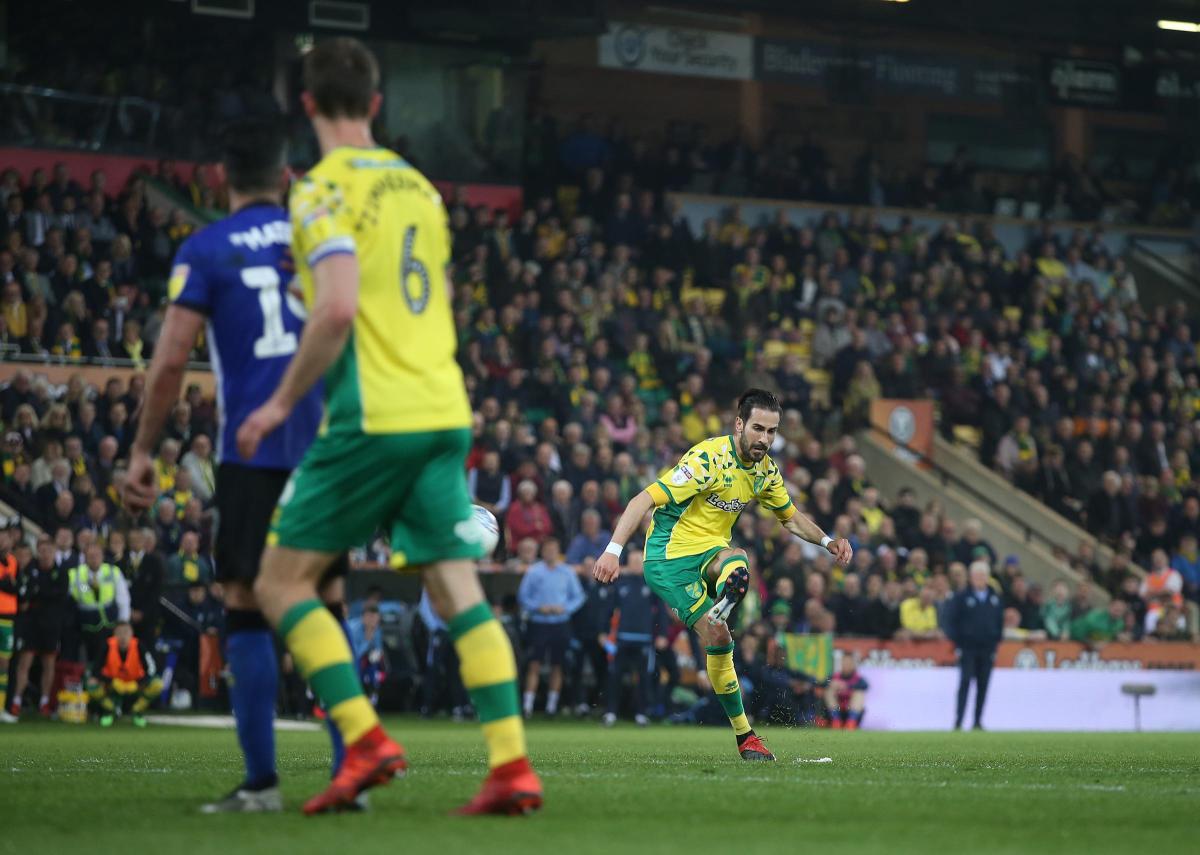
Or from the same season, Mario Vrancic's late free-kick against Sheffield Wednesday to all but clinch promotion.
And they don't always have to be dramatic late comebacks to be memorable, they can be against all odds Gang Busters style backs to the walls, trench battles to earn points against the likes of Manchester City and Arsenal in Premier League seasons gone by.
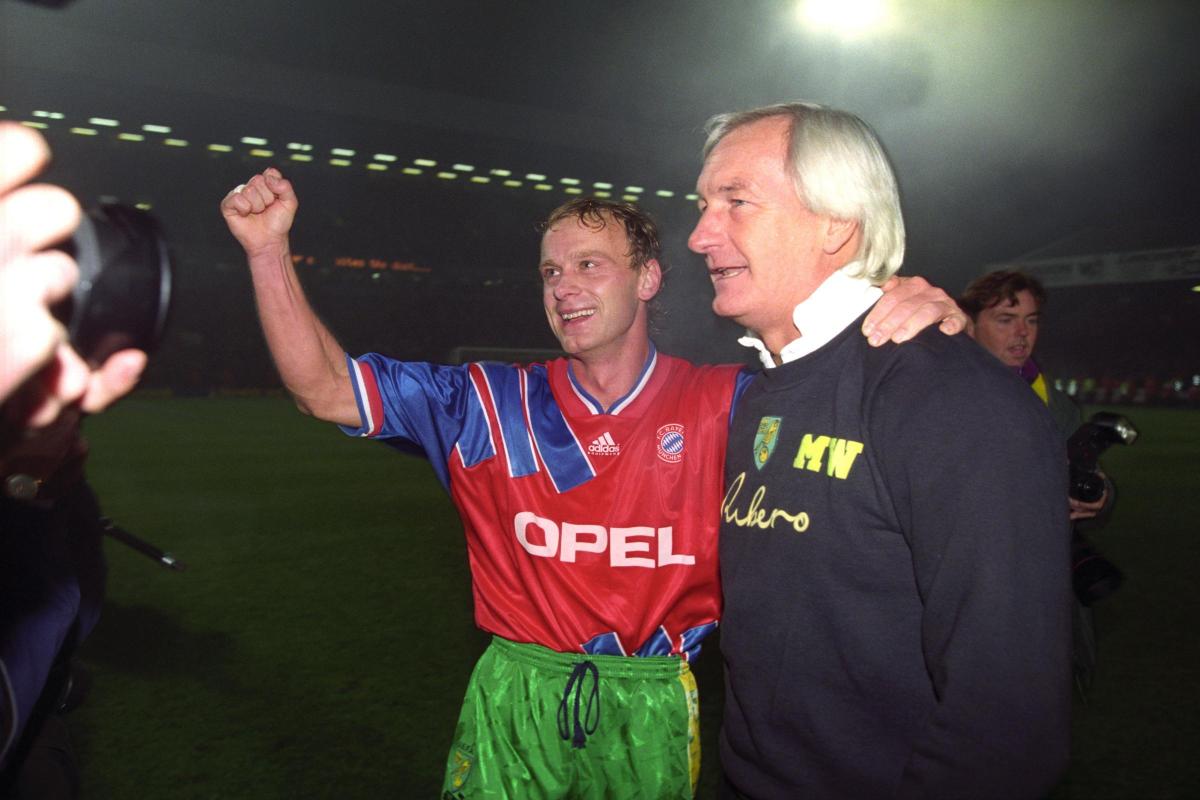
Heck, even arguably the most famous ever Carrow Road result was a draw, 1-1 against Bayern Munich to knock the German giants out of Europe.
But at the same time, they can also be gut-wrenching stomach punches, when the boot is on the other foot.
So, yes, sometimes they can be drab affairs where nobody really deserves to win, but make no mistake, draws boast the same kind of eclectic range as the singer Beck, who effortlessly hops between genres each time he pens a new album.
Would anybody want to draw every week? Of course not. But at the same point, there was a time when this most recent one could easily have been a defeat.
QPR were tough to break down, confident going forwards and were very well organised.
Of course, in an ideal world, that should have been a home win. But equally, drawing a game we probably would have lost six weeks ago is not to be sniffed at.
Whether it will be another 212 days until the next one, time will tell, but if we can keep on either winning or turning potential defeats into draws, you'll have few complaints from me.


Share